Most of us believe we know exactly when something feels off with our teeth. We picture a sharp, undeniable pain that forces us to see the dentist right away. In reality, dental issues often begin quietly. Cavities, in particular, usually develop silently in hidden crevices of our molars or between teeth where toothbrushes struggle to reach. By the time significant pain begins, the decay has likely advanced further than we expected.
We know that recognizing the early warning signs of tooth decay helps you take better care of your oral health. Catching a cavity early usually leads to a simpler, less invasive treatment. Although regular checkups remain the best way to spot trouble, noticing subtle changes in your mouth can save you from more complex procedures later. If you notice any of the symptoms below, we urge you to schedule an appointment so we can take a closer look.
1. Sudden or Lingering Tooth Sensitivity
One of the first and most common signs of a cavity is a change in how your teeth respond to temperature or sweetness. Sensitivity doesn't always point to a need for a filling, since gum recession or enamel erosion can also cause it. However, if a particular tooth reacts strongly when you sip hot coffee or bite into ice cream, you should have it checked.
Sensitivity to Hot and Cold
When decay wears down the protective enamel layer, the dentin beneath becomes exposed. Dentin contains tiny tubes that lead straight to the tooth nerve. Hot or cold foods striking these tubes can cause a sharp pain signal. If you find yourself wincing every time you drink cold water, you may already have decay that has broken through the enamel. We often see patients ignoring this symptom because the sensation fades quickly, but persistent sensitivity demands attention.
Sensitivity to Sugar
Sugar can trigger a unique reaction in decaying teeth. When you eat sweet foods, the bacteria in your mouth produce acid. If a cavity is present, the acid and sugar can slip through the damaged enamel and reach the nerve. You may feel a sharp zing in a specific area while eating candy or drinking soda. Temperature sensitivity might affect your whole mouth, but sugar sensitivity often pinpoints a single problem tooth.
2. Noticeable Holes, Pits, or Dark Spots
Cavities often form between teeth, hidden from sight, but others appear visibly on tooth surfaces. We suggest you occasionally inspect your teeth in a bright mirror. Healthy teeth generally look smooth and consistent in color. Any changes in texture or color mean the tooth’s structure could have sustained damage.
Physical Changes in Texture
You might feel a rough spot with your tongue even before you see any change. Healthy tooth surfaces feel smooth like glass. If your tongue detects a jagged edge, a hole, or a distinct pit, enamel has likely given way in that area. Sometimes, food continually gets trapped in these spots. If floss always shreds or catches between the same two teeth, a cavity could have created a rough, snagging edge.
Discoloration and Dark Spots
Not all decay shows up as a classic black hole. At first, it can look like a white, chalky spot—this means mineral loss has started stripping away enamel. As decay advances, the patch turns brown or black. These spots differ from coffee or wine stains because they cannot be removed by brushing. A dark spot on a molar that persists despite your best oral hygiene definitely warrants a checkup.
3. Sharp Pain When Biting Down
Pain that only happens when you chew or bite down always deserves attention. Typically, this signals that decay has moved deeper or cracked the tooth. When you chew, pressure pushes the compromised tooth structure onto the sensitive nerve inside.
Why Do You Get Pain When Biting
Unlike a dull, constant ache, this pain feels sharp and is accompanied by pressure. You might feel fine while talking or resting, but feel a jolt the moment you chew on the affected side. This sensation indicates that the tooth no longer withstands chewing stress, indicating a loss of structural support. If you ignore this pain, the tooth might break, requiring more complex treatment than a simple filling.
How Chewing Pain Affects Your Habits
Patients often tell us they begin chewing only on one side to avoid pain. While your body tries to protect itself, this adjustment puts extra stress on healthy teeth and ignores the underlying issue. Shifting your chewing patterns signals your body’s need for help. Restoring that tooth’s function allows you to eat comfortably again and also keeps your jaw and other teeth from suffering unnecessary wear.
4. Throbbing or Constant Toothache
A persistent toothache typically means decay has reached the pulp—the living core of nerves and blood vessels in your tooth. This kind of pain can wear you down and interrupt your life. You might experience a throbbing ache or a steady, heavy pressure that keeps you up at night.
Pain with No Obvious Trigger
While things like cold drinks can cause sensitivity, a true toothache may appear out of the blue. You might just sit on the couch when the pain suddenly starts throbbing. Unprovoked pain means active inflammation inside the tooth. If we catch it early, we might treat it with a filling, but waiting too long often makes a root canal necessary.
Pain That Spreads
Sometimes the pain feels so intense or widespread that you can't pinpoint it—maybe it radiates through your jaw or into your ear. Our nerves often refer pain to other areas, so one decaying molar can seem like several teeth are hurting. We use diagnostic tools to identify the true source since patients often struggle to find the exact tooth that hurts.
5. Lost or Broken Previous Restorations
Fillings and crowns won’t last forever. Over time, the materials wear down, chip, or pull away from the enamel. When an old filling fails, it creates a gap for bacteria to enter and trigger new decay underneath—what we call recurrent decay.
How to Spot a Failing Filling
You may notice an old filling feels loose, or sense a ridge or gap between the filling and your natural tooth. Sometimes a piece of filling comes out while you're eating. Even if pain hasn’t started yet, a compromised filling exposes sensitive tooth layers to bacteria.
Why Prompt Replacement Matters
We check your restorations at every visit, but let us know right away if anything about your fillings changes between appointments. Replacing a worn-out filling right away keeps bacteria from tunneling under old material, minimizing damage before you even feel pain. Acting quickly helps protect your dental work and preserves healthy tooth structure.
Protecting Your Smile
Ignoring these signs will not make them go away. Dental issues always get worse with time. A small cavity that can be treated with a simple filling today can become a root canal or an extraction if you wait too long. We focus on helping you keep your natural teeth healthy as long as possible.
Paying attention matters. Sensitivity, pain, rough surfaces, and changes in old dental work signal your body’s cry for help. If you act early, we can use restorative dentistry techniques to fix the damage effectively and comfortably. Our team will guide you toward improved oral health with gentle, skilled care.
Frequently Asked Questions About Restorative Dentistry
How long does a dental filling appointment take?
Most dental filling appointments last between 30 and 60 minutes. The amount of time depends on the size and location of the cavity, as well as the number of fillings needed. We numb the area for your comfort, remove the decay, clean the affected space, and place and shape the filling material. We work efficiently and prioritize quality so you can get back to your day as quickly as possible.
What materials do you use for fillings? Are they visible?
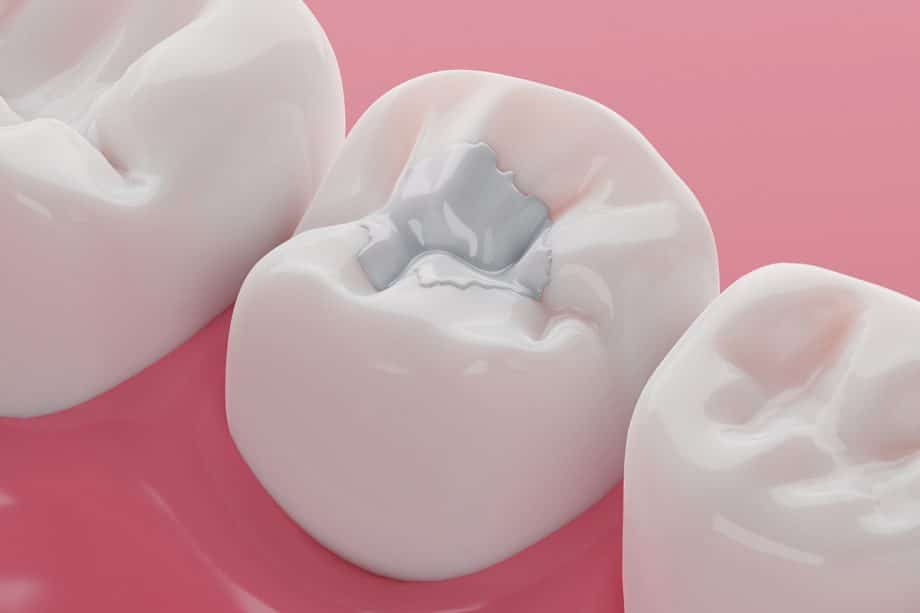
We use composite resin materials for fillings because they bond solidly to tooth structure and provide excellent durability. Composite resin lets us match the material to your natural tooth color, so your filling stays virtually invisible when you talk or smile. Though silver amalgam fillings were once common, tooth-colored alternatives now offer the standard for both appearance and function.
At Lindenwold Dental Center, we provide compassionate, top-quality dental care for families in our community. From regular cleanings to complex restorations, we focus on your comfort and long-term health. If you have tooth pain or sensitivity, please reach out to us to schedule your appointment today.