
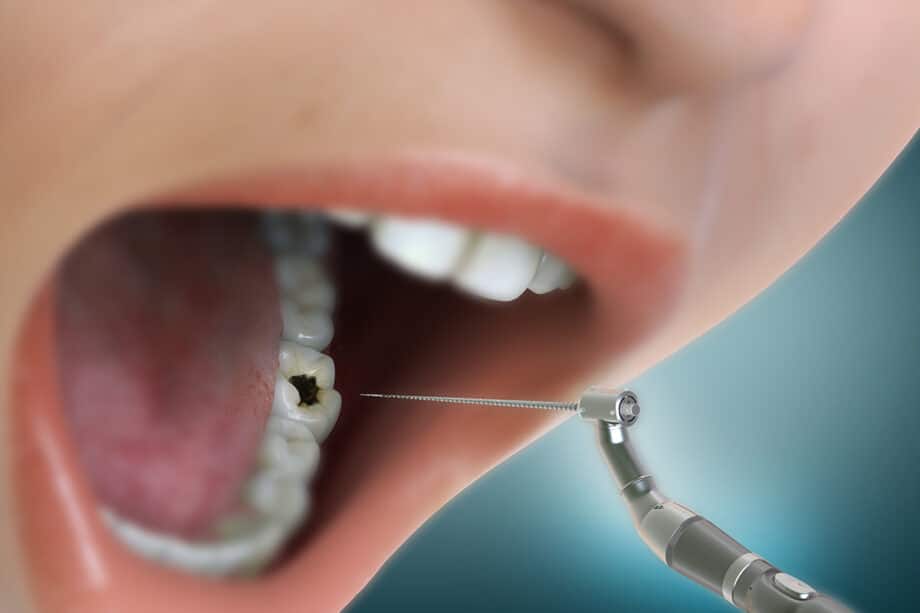
Root canals are widely misunderstood. With modern anesthesia and refined technique, the procedure itself causes little to no pain — most patients compare it to getting a filling. The real discomfort comes from the infected tooth before treatment, not from the procedure itself.
Few dental procedures carry as much undeserved fear as the root canal. Mention it in conversation, and you will almost always see someone wince. But here is the reality: the reputation root canals have for being painful is largely outdated — built on how the procedure was performed decades ago, not how we perform it today.
Modern dentistry has changed the experience entirely. Local anesthesia, refined techniques, and a clearer understanding of patient comfort mean that most people walk out of a root canal appointment surprised by how manageable it was. We wrote this post to give you an honest, clear picture of what root canals actually involve — what you feel, when you feel it, and why the procedure exists in the first place.
What Is a Root Canal, and Why Do You Need One?
What Happens Inside a Tooth When Infection Sets In
Each tooth contains a soft inner layer called the pulp. The pulp holds nerves, blood vessels, and connective tissue. When decay, a crack, or repeated dental work allows bacteria to reach the pulp, inflammation and infection follow.
Once the pulp becomes infected, the body cannot resolve it on its own. The infection spreads. Pressure builds inside the tooth, and bacteria can begin to damage the surrounding bone. Left untreated, a tooth abscess can develop — a painful pocket of infection that carries real health consequences.
Why Root Canal Treatment Is the Preferred Solution
Root canal treatment addresses the source of the problem directly. We remove the infected pulp, clean the canals thoroughly, and seal the tooth to prevent reinfection. The tooth stays in place. Your bite stays intact. And you avoid the more complex, more expensive path of extraction followed by an implant or bridge.
Saving your natural tooth is always the better outcome for your long-term oral health. Root canal treatment makes that possible.
Does a Root Canal Hurt During the Procedure?
What You Actually Feel When the Procedure Begins
The short answer is: not much. Before we begin, we apply a local anesthetic to numb the tooth and the surrounding tissue completely. You may feel a brief sting from the injection itself — that is the most uncomfortable moment for most patients.
Once the area is numb, you will feel pressure and movement, but not pain. If you feel anything sharp, tell us, and we will adjust. We do not proceed until you are comfortable.
Why the Procedure Has a Reputation It Does Not Deserve
Much of the fear around root canals traces back to a time when anesthetic options were more limited, and the procedure took considerably longer. Some patients also arrive at the appointment already in significant pain from the infection itself — and that pre-existing pain shapes their memory of the experience.
The procedure does not cause that pain. The infection does. Root canal treatment is what ends it.
How Long Does a Root Canal Take?
Treatment time depends on the complexity of the case. A straightforward root canal can take as little as 30 minutes. A more involved case — one with multiple canals or a significant infection — may require two appointments of up to 90 minutes each. We will give you a clear timeline before we begin.
What to Expect After a Root Canal
Normal Post-Procedure Sensitivity
Some tenderness in the days following treatment is normal. The tissue around the tooth needs time to settle, and you may notice mild soreness when biting or applying pressure. Over-the-counter pain relievers such as ibuprofen or acetaminophen are typically sufficient to manage it.
Most patients return to their regular routine the next day. The sensitivity fades within a few days in straightforward cases.
When Discomfort After Treatment Warrants a Call to Us
Do not ignore significant or worsening pain after the first few days. Call us if you notice swelling that is not improving, pain that intensifies rather than eases, or a visible bump on the gum near the treated tooth. These signs may mean the area needs further attention.
We are here to help you through every stage of recovery — not just the appointment itself.
Getting Your Life Back: Why Treatment Is Worth It
Tooth pain from an infected pulp does not resolve on its own. It gets worse. Many patients who delayed treatment because they feared the procedure describe the wait as far more painful than the root canal itself.
One appointment — or two, in more complex cases — removes the source of that pain for good. The tooth stays functional. You avoid extraction. And the discomfort that sent you to us in the first place is gone.
Root canal treatment is a solution, not a source of suffering. Protect your tooth and relieve your pain. Call us today.
Frequently Asked Questions About Root Canal Treatment
Is a root canal more painful than a tooth extraction?
Not in most cases. Both procedures use local anesthesia, so you should feel minimal discomfort during either one. Tooth extraction recovery often involves more post-procedure soreness, and extraction then requires additional work — such as an implant or bridge — to replace the missing tooth. Root canal treatment preserves your natural tooth and typically means a shorter, smoother recovery.
Do you need a crown after a root canal?
Often, yes. We commonly place a crown after root canal treatment to restore the tooth's strength, protect its structure, and prevent fracture. In some cases, a dental filling or onlay may be sufficient. We assess each tooth individually and explain the recommended restoration before any additional work begins.
Can a root canal be completed in one visit?
Yes, depending on the complexity of the case. If the canal structure is uncomplicated and the infection is not severe, we can often complete the procedure in a single appointment. More involved cases may require a second visit to fully clean the canals and properly seal the tooth.
What are the signs that a root canal might be necessary?
Common signs include prolonged sensitivity to hot or cold that lingers after the source is removed, severe or persistent tooth pain, swelling around the affected tooth, difficulty chewing, and a small bump on the gum near the painful tooth. Only a dentist can confirm whether root canal treatment is the right course of action — which is why we recommend coming in as soon as symptoms appear rather than waiting.
What happens if you skip root canal treatment and do nothing?
Skipping treatment does not make the infection go away. The infected pulp continues to deteriorate, the infection spreads to surrounding bone and tissue, and the risk of abscess grows. Eventually, the tooth may become non-restorable and require extraction. Early treatment is always less involved, less expensive, and less disruptive than the consequences of delay.
At Lindenwold Dental Center, we understand that dental anxiety is real — and we take it seriously. Our team works hard to make every procedure, including root canal treatment, as comfortable and stress-free as possible. Have questions about what to expect, or ready to schedule your appointment? Reach out to us, and we will walk you through every step.