
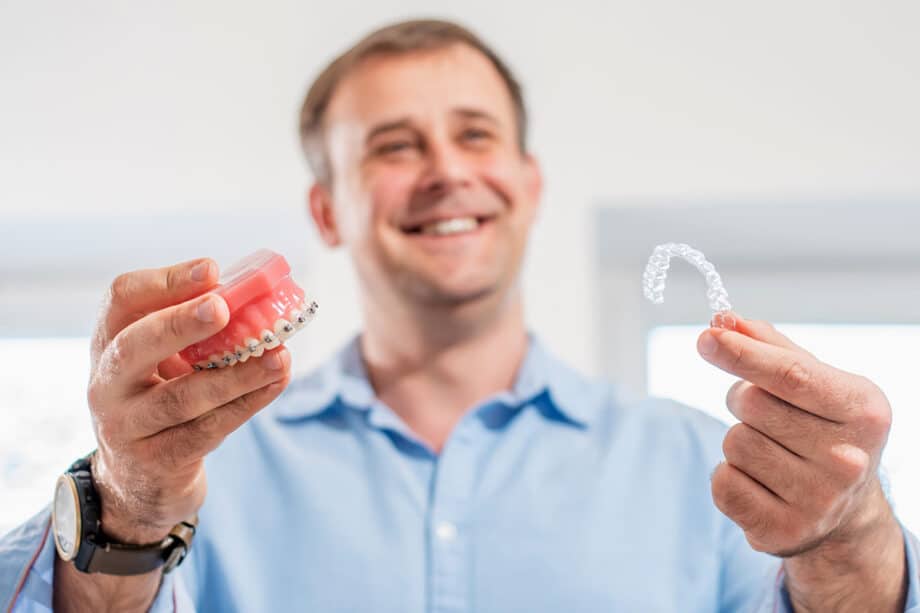
Choosing how to straighten your teeth is a big decision, and most people weigh two popular paths: Invisalign® and traditional metal braces. Both can correct crooked teeth, gaps, and bite issues, but they differ in price, daily routine, and what each treatment asks of you. We want to make the comparison clear so you can pick the option that fits your budget and your life.
In the sections below, we break down cost, lifestyle, and treatment considerations for each approach. We keep the information balanced and practical, because the "best" choice often depends on your specific case and personal preferences. Whether you're an adult considering orthodontic treatment for the first time or a parent exploring options for your teen, understanding these differences puts you in a stronger position to make a confident decision.
Comparing the Cost of Each Option
Price is usually one of the first questions we hear, and both treatments involve a meaningful investment. Costs vary based on your location, the complexity of your case, and how long you need treatment. We believe it helps to understand what drives those costs before you sit down for a consultation.
Typical Price Ranges
Traditional metal braces generally cost between $3,000 and $7,000, while clear aligner treatment often falls in a similar or slightly higher range — roughly $3,000 to $8,000. The total depends heavily on how much correction your teeth need. Simple cases cost less than complex ones, regardless of which method you choose. Keep in mind that retainers, follow-up visits, and any mid-treatment adjustments can also affect the final total.
Insurance and Payment Factors
Many dental insurance plans cover orthodontic care similarly, whether you choose braces or aligners, though coverage details vary by plan. We recommend checking your benefits before you commit, since some plans cap orthodontic coverage at a set lifetime amount. Flexible spending accounts and payment plans can also help spread out the cost, making either option more manageable. Asking about in-house financing during your consultation is always a smart move.
Comparing the Daily Lifestyle Impact
Beyond price, the way each treatment fits into your routine matters a great deal. Aligners and braces affect eating, cleaning, and appearance in different ways. For many patients, these day-to-day factors weigh just as heavily as cost when making a final choice.
Eating and Cleaning Habits
Invisalign aligners are removable, so you can take them out to eat and then brush and floss normally. Traditional braces stay fixed to your teeth, which means you need to avoid hard, sticky, or chewy foods that could damage the brackets or wires. Cleaning around braces takes more effort, since food can get trapped, and many people use special brushes or floss threaders to keep their teeth healthy. Staying on top of oral hygiene during treatment protects your teeth from decay and keeps your gums in good shape.
Appearance and Comfort
Clear aligners are nearly invisible, which appeals to adults and teens who feel self-conscious about metal hardware. Braces are more noticeable, though colored bands let younger patients add personality. Both can cause soreness when teeth shift, and braces may occasionally irritate the inside of your cheeks until you adjust to them. Over-the-counter pain relievers and orthodontic wax can help ease discomfort during the adjustment period for both options.
Comparing Treatment Considerations
The right choice also depends on what your teeth need and how disciplined you can be with the routine each option requires. We always encourage patients to think honestly about their habits before committing to a treatment plan.
Case Complexity and Effectiveness
Braces tend to handle complex cases well, including significant bite problems and severe rotations, because they apply continuous force. Clear aligners work effectively for mild to moderate corrections, and modern technology has expanded their treatment range. During a consultation, we evaluate your specific situation and recommend the approach most likely to give you a healthy, well-aligned smile. In some cases, a combination of approaches may offer the best outcome.
Commitment and Maintenance
Aligners require discipline: you must wear them for about 20 to 22 hours a day and remove them only to eat or clean your teeth. If you forget to put them back in, your progress can slow down. Braces stay on all the time, which removes the daily responsibility, but they require more careful cleaning and periodic in-office adjustments. We help you weigh these trade-offs based on your daily habits and lifestyle so you can commit to a plan you'll actually stick with.
Making the Right Choice for Your Smile
Both clear aligners and traditional braces can deliver a straighter, healthier smile, so the decision often comes down to your budget, lifestyle, and the complexity of your case. If you value flexibility and a discreet look, aligners may suit you well. If you need to correct a more involved bite issue or prefer a treatment that stays in place without daily effort, braces could be the stronger fit. No single answer works for everyone, and that's exactly why a professional evaluation matters. We encourage you to schedule a consultation so we can examine your teeth and walk you through the option that makes the most sense for you.
Frequently Asked Questions About Invisalign
How long does Invisalign treatment usually take?
Treatment time varies based on your needs, but many cases take between 12 and 18 months. Simple corrections may finish sooner, while more complex cases can take longer. We will provide you with a clearer estimate after evaluating your teeth.
Can I eat normally with Invisalign?
Yes. You remove the aligners before eating, so you can enjoy your usual foods without the restrictions that come with braces. We recommend brushing before putting the aligners back in to keep your teeth and trays clean.
Are Invisalign aligners painful?
Most people experience mild pressure or soreness for a few days after switching to a new set of aligners, which signals that their teeth are moving. The discomfort is usually temporary and tends to ease as you adjust. Over-the-counter pain relief can help if the soreness bothers you.
How often do I need to wear my aligners?
For the best results, wear your aligners about 20 to 22 hours each day. Take them out only to eat, drink anything other than water, and clean your teeth. Consistent wear keeps your treatment on track and helps you finish on schedule.
Is Invisalign suitable for everyone?
Clear aligners work well for many mild-to-moderate cases, but they may not be the right fit for every situation. We assess your teeth during a consultation and let you know whether aligners or another option would be better for you.
At Lindenwold Dental Center, we provide friendly, comprehensive dental care for patients and families in our community, including orthodontic options to help you achieve a healthier smile. Our team takes the time to understand your goals and guide you toward the treatment that fits your life. If you have questions about straightening your teeth, reach out to us to schedule a consultation.