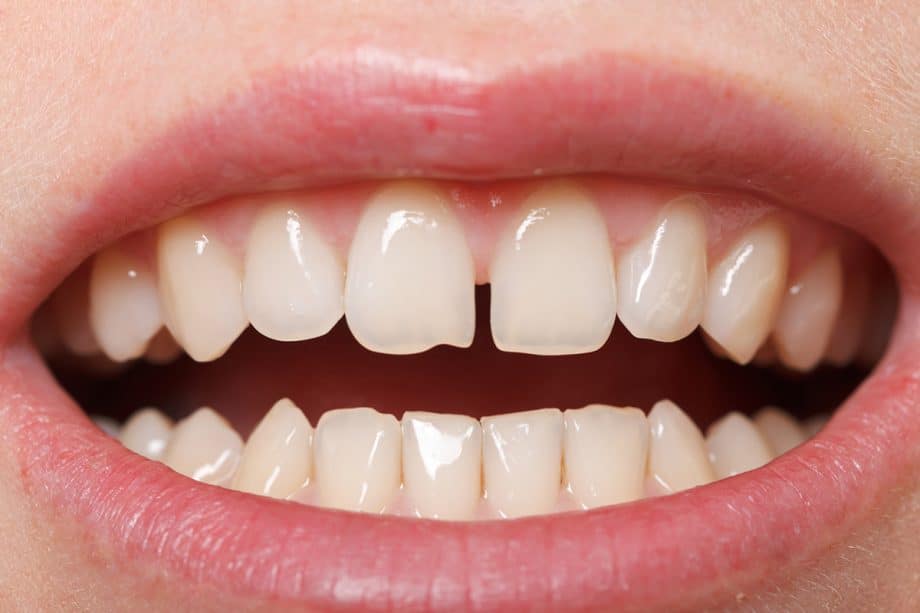
Many patients visit our office to eliminate noticeable spaces between their teeth without spending years in traditional metal braces. We call these spaces diastemas, and they can develop for many reasons, including genetics, thumb sucking during childhood, or swallowing reflexes that push the tongue against the front teeth. No matter why you have a tooth gap, we know it can make you feel self-conscious when you smile, speak, or laugh.
Modern dental technology offers us several effective ways to close those spaces quickly and comfortably. We evaluate your oral health, the size of the gap, and your personal goals to recommend the ideal solution. You don’t need to rely on a mouthful of brackets and wires to achieve your desired smile. Let’s explore three of the most popular and effective methods we use to correct small gaps without traditional braces.
Fixing Gaps Quickly With Dental Bonding
The Dental Bonding Process
When patients want a fast, cost-effective solution for small spaces, we usually recommend dental bonding. In a bonding procedure, we apply a tooth-colored composite resin directly to the surfaces of the teeth next to the gap. We carefully select a shade of resin that matches your natural enamel, so the final result looks completely organic. First, we slightly etch the surfaces of your teeth and apply a conditioning liquid to help the bonding material adhere more strongly. Next, we shape the putty-like resin to close the gap precisely. We finish by instantly hardening the material with a specialized ultraviolet laser or light.
Benefits of Composite Resin
We love offering dental bonding because we usually complete the entire process in a single visit to our office. The procedure involves little to no removal of your natural tooth enamel, and most patients do not need any anesthesia. The resin blends seamlessly with your surrounding teeth, so no one will know you had dental work. Composite resin may not last as long as porcelain restorations, but it gives you an excellent, minimally invasive way to improve your smile right away. With proper brushing, flossing, and regular dental checkups, your bonded teeth can look fantastic for several years before needing minor touch-ups.
Transforming Smiles Using Porcelain Veneers
How Veneers Close Small Spaces
If you want a more dramatic and long-lasting transformation, we often recommend porcelain veneers. These ultra-thin, custom-made shells come from premium dental porcelain and cover the entire front surface of your teeth. To address a gap, we design the veneers slightly wider than your natural teeth, so they effectively bridge the space when we cement them in place. Precision and artistry drive every step, which is central to exceptional cosmetic dentistry. We prepare your teeth by removing a tiny fraction of a millimeter of enamel from the front surfaces. This step allows the veneers to sit flush against your gum line instead of looking bulky. We then take precise digital impressions, and our trusted dental laboratory fabricates your permanent veneers.
Long-Lasting Durability and Aesthetics
Porcelain gives you outstanding aesthetic benefits. It reflects light just like natural dental enamel. You also get lasting stain resistance against coffee, tea, and dark foods, so your smile stays bright for years. After we bond your custom veneers to your teeth, you gain strength and resilience for everyday life. Many patients love that veneers close spaces, cover severe discoloration, and fix minor chips or cracks—all at once. You only need two visits for this treatment, and you invest a bit more than with bonding, but the results can last for a decade or longer, making veneers a top choice for unwanted gaps.
Shifting Teeth With Clear Aligners
A Discreet Alternative to Traditional Metal Braces
Sometimes, the most effective approach is to move your teeth into proper positions with clear aligners physically. We create a series of custom, transparent plastic trays that fit snugly over your teeth and gently move them with targeted pressure. Unlike traditional orthodontics, clear aligners use no metal wires or uncomfortable brackets. You wear each set of trays for about one to two weeks before moving on to the next set in your treatment plan. Because these trays are clear, most people never notice you are straightening your teeth.
Timeline for Closing Diastemas
Clear aligner therapy does an excellent job fixing small gaps, and you can maintain great oral hygiene because you remove the trays to eat, brush, and floss. Although aligners take longer than bonding or veneers, you can usually close a small gap in just a few months with consistent wear. We track your progress closely throughout your treatment to confirm your teeth move as planned according to our digital design. When you choose clear aligners, you address the spacing issue at its source rather than just covering it, so you enjoy a healthy, stable, and perfectly aligned smile.
Taking the Next Step Toward a Seamless Smile
You don't have to live with a gap between your teeth if you don't want to. We use advanced tools, technology, and skills to help you achieve a confident smile without traditional metal braces. You can choose dental bonding for immediate results, porcelain veneers for long-lasting beauty, or clear aligners for natural repositioning. We guide you through every step of your treatment and design a custom plan that fits your bite, budget, and lifestyle.
Frequently Asked Questions About Cosmetic Dentistry
How long do cosmetic treatments for tooth gaps last?
How long your results last depends on the treatment method you choose and how well you care for your teeth. Dental bonding usually lasts four to eight years before you need touch-ups. High-quality porcelain veneers often last ten to fifteen years or more with good oral hygiene. Clear aligners permanently close tooth gaps when you wear your customized retainer exactly as we instruct after treatment ends.
Does dental insurance cover treatments to close gaps?
Your insurance coverage for closing gaps depends on your policy and the reason for treatment. If you want the procedure purely for cosmetic reasons, most dental insurance plans consider it elective and do not cover it. However, if the gap causes functional issues or you need aligners to correct a larger bite problem, your insurance may cover part of the cost. We review your benefits with you and provide flexible financing options to help you achieve your dream smile.
At Lindenwold Dental Center, we provide comprehensive, compassionate care to families in our community. We personalize treatments to help our patients achieve healthy, beautiful smiles every day. If you want to discuss options for closing a gap between your teeth, please reach out to us today.