Missing teeth can affect how we eat, speak, and feel about our smiles. Many people choose dental implants because they offer a stable, long-term option that looks and functions like natural teeth.
We often meet patients who worry that they may not qualify for implants. In many cases, patients who are not ready for implant treatment right away can still become good candidates after they improve their oral health, manage a medical condition, or complete a preparatory procedure. In this blog, we explain what can disqualify you from getting dental implants, what may only delay treatment, and when our team may recommend other options.
Poor Oral Health Can Delay Dental Implant Treatment
Active Gum Disease Must Be Treated First
Gum disease is one of the most common reasons we delay dental implant treatment. Dental implants need healthy gums and strong supporting tissues. When infection affects the gums and bone around the teeth, it can threaten implant success.
Periodontitis, an advanced form of gum disease, can cause bone loss around the teeth. Since implants rely on bone for support, untreated gum disease creates an unstable foundation. We need to control the infection before we place an implant.
Treatment may include deep cleaning, improved home care, periodontal therapy, or ongoing maintenance visits. Once the gums become healthier, we can reassess whether implant treatment makes sense.
Tooth Decay and Oral Infections Need Attention
Active tooth decay, abscesses, and other infections can also delay treatment. We do not want to place an implant in a mouth with an untreated infection because bacteria can affect healing and increase the risk of complications.
If a nearby tooth has decay or an infection, we may recommend a filling, crown, root canal, or extraction before we move forward. We look at the whole mouth, not just the space left by a missing tooth.
By the end of the evaluation, we want to confirm that your mouth can support healing. Once we address oral health problems, many patients can move forward with dental implants.
Not Enough Jawbone May Affect Dental Implant Eligibility
Dental Implants Need Strong Bone Support
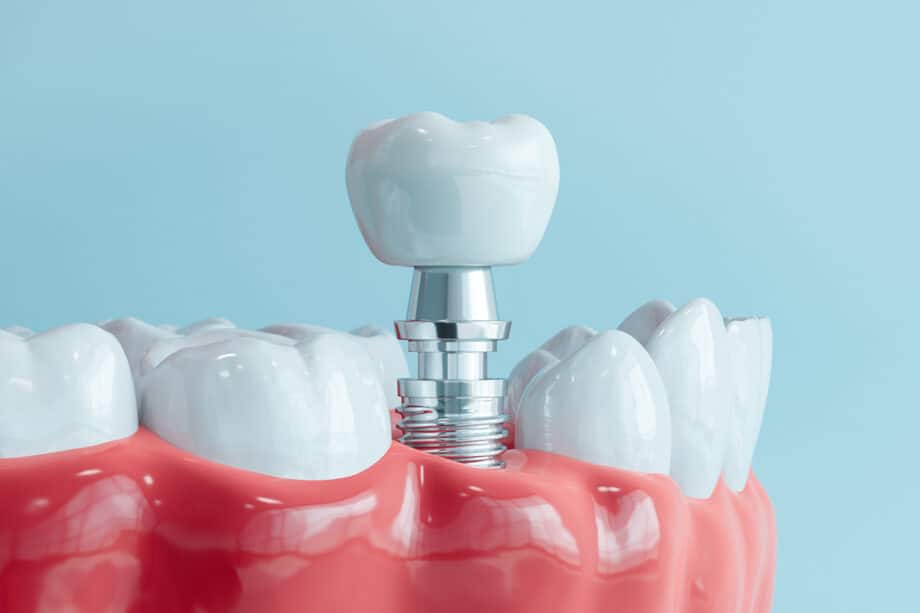
A dental implant acts like an artificial tooth root. We place it in the jawbone, where it must fuse with the bone through a natural healing process called osseointegration. If the jawbone lacks enough height, width, or density, the implant may not have the support it needs.
Bone loss can occur after tooth loss. When a tooth is missing, the jawbone no longer receives the same pressure from chewing. Over time, the bone in that area can shrink. Gum disease, injury, long-term denture use, and certain medical issues can also contribute to bone loss.
Not enough jawbone does not always mean a patient can never get implants. It often means we need to consider additional steps first.
Bone Grafting May Help Some Patients Qualify
A bone graft can help rebuild areas of the jaw that have lost bone. During a grafting procedure, a dentist or specialist places bone material in the area that needs more support. Over time, the body can grow new bone around the grafted material.
Some patients need a bone graft before implant placement. Others may need grafting at the same time as another procedure, depending on their needs. Healing time varies based on the size and location of the graft.
We evaluate bone levels with an exam and imaging. If we find limited bone, we explain whether grafting may improve implant eligibility or whether another tooth replacement option may work better.
Medical Conditions and Lifestyle Factors Can Create Implant Risks
Uncontrolled Health Conditions May Disqualify or Delay Treatment
Certain medical conditions can affect healing after implant surgery. We pay close attention to conditions that influence the immune system, blood flow, bone healing, or infection risk.
Uncontrolled diabetes can increase infection risk and slow healing. Patients with diabetes may still qualify for implants when they manage their blood sugar well. We may coordinate with a patient’s physician before treatment.
Some patients who take medications that affect bone metabolism, such as certain osteoporosis drugs, may need a more detailed evaluation. A history of radiation therapy to the jaw can also raise implant risks because it can affect bone healing. Conditions that severely weaken the immune system may also affect candidacy.
We do not make these decisions based on a diagnosis alone. We look at disease control, medications, oral health, bone health, and overall risk.
Smoking and Tobacco Use Can Affect Healing
Smoking does not always automatically disqualify someone from getting dental implants, but it can increase the risk of implant failure. Tobacco use can reduce blood flow, slow healing, and raise infection risk. It can also contribute to gum disease, which affects implant support.
We may recommend that patients stop smoking before and after implant surgery. Quitting improves healing and supports better long-term oral health. Patients who continue to smoke may still receive implants in some cases, but they should understand the added risks.
Vaping and other nicotine products may also affect healing. We discuss tobacco and nicotine use honestly so patients can make informed decisions before treatment.
Some Medications and Treatments Require Extra Planning
Certain medications can affect bleeding, healing, or bone response. Blood thinners may require coordination with a physician, although patients should never stop taking prescribed medication without medical guidance. Steroids, chemotherapy, and immunosuppressing medications may also require extra planning.
We review each patient’s medical history before we recommend treatment. We also ask about prescriptions, over-the-counter medications, supplements, and past surgeries. A complete health history helps us reduce avoidable risks, plan treatment more carefully, and decide whether we should delay implant placement or suggest another option.
A Careful Evaluation Gives Us the Clearest Answer
No single issue automatically disqualifies every patient from getting dental implants. Instead, we look at the full picture. Healthy gums, enough bone support, good daily oral care, and stable overall health all improve the chances of long-term success.
Some patients need preliminary care before they can move forward. Others may learn that another tooth-replacement option better suits their needs. Our goal is to make recommendations based on safety, function, and predictable results. A detailed exam, imaging, and medical review help us determine the right path.
Frequently Asked Questions About Dental Implants
Can gum disease permanently disqualify me from getting dental implants?
Not always. Gum disease often delays treatment rather than permanently ruling it out. We usually need to treat the infection first and make sure the gums are healthy enough to support healing before we place an implant.
Can I get dental implants if I have diabetes?
Many patients with diabetes can still get dental implants if they manage the condition well. Uncontrolled diabetes can slow healing and increase the risk of infection, so we consider blood sugar control and overall health before recommending treatment.
Does smoking make dental implants impossible?
Smoking does not always make implants impossible, but it does increase the risk of healing problems and implant failure. We often advise patients to stop smoking before and after the procedure to improve the chance of success.
What happens if I do not have enough bone for an implant?
If the jawbone lacks sufficient height, width, or density, we may recommend a bone graft or another preparatory treatment. In some cases, we may also discuss other tooth replacement options if grafting does not make sense for the patient.
How do we know if dental implants are right for us?
We determine candidacy through a comprehensive evaluation that includes an oral exam, imaging, and a review of medical history. We also consider gum health, bone support, lifestyle factors, and any conditions or medications that could affect healing.
Getting Answers Starts With the Right Exam
Dental implant candidacy depends on multiple factors, and many concerns that seem disqualifying at first can improve with the right care. When we identify problems early, we can often treat them, lower the risk, and help patients move closer to a stable, lasting tooth replacement.
We want every patient to clearly understand whether implants make sense for their health and goals. A personalized evaluation gives us the information we need to recommend the safest and most effective next step.
At Lindenwold Dental Center, we help patients and families in our community protect their oral health with personalized, practical care. We take time to explain treatment options clearly so patients can make informed decisions with confidence. If you have questions about missing teeth or implant candidacy, reach out to us.